
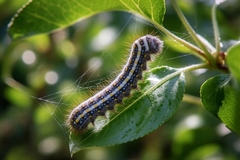
Tent caterpillars have long been a topic of concern for both amateur gardeners and professional arborists. These gregarious creatures can often be seen weaving silk tents in the branches of trees, prompting many to wonder, are tent caterpillars harmful to trees? This blog will explore the potential damage that tent caterpillars may cause and provide actionable strategies for managing their presence. If you're a resident needing a dependable tree care service in Milwaukee to tackle these issues, the right choice could make all the difference.
Understanding Tent Caterpillars and Their Lifecycle
Tent caterpillars are a group of moth caterpillars belonging to the family Lasiocampidae. Recognizable by their silk tents, these caterpillars have a robust lifecycle that allows them to multiply quickly under favorable conditions. Tent caterpillars hatch in the spring from eggs laid the previous year. As they develop, they consume large quantities of foliage, which can severely defoliate trees if left unchecked. Peak activity usually occurs in late spring to early summer, a critical period for tree foliage growth.
Are Tent Caterpillars Harmful to Trees?
The question, "Are tent caterpillars harmful to trees?" warrants a nuanced answer. In small populations, tent caterpillars pose a manageable threat. While they can cause significant defoliation, healthy trees typically recover well from a single defoliation. However, repeated infestations in successive years can weaken trees, making them more vulnerable to disease and other environmental stresses. Deciduous trees, such as oaks and maples, are the preferred targets, and continuous defoliation can eventually lead to branch dieback and reduced growth.
Identifying the Signs of a Tent Caterpillar Infestation
To effectively address tent caterpillar infestations, early identification is crucial. The most recognizable sign of their presence is the silk tent built in the crotch of tree branches. Other indicators include partially eaten leaves and visible caterpillars congregating on the tree's branches or trunk. Spotting these signs early allows for timely intervention, reducing the potential harm caused by these pests.
Strategies for Controlling Tent Caterpillars
Managing tent caterpillar populations involves both preventive and active control measures. Prevention starts with selecting caterpillar-resistant tree species and maintaining tree health through regular care practices such as pruning and fertilization. If caterpillars are already present, several methods can be employed:
- Manual Removal: Prune out and destroy the silk tents in the early morning or late evening when caterpillars are inside. Ensure to burn or dispose of them far from your garden to prevent re-infestation.
- Insecticides: Use environmentally friendly insecticides as a last resort. Bacillus thuringiensis (Bt) is a natural bacterium that specifically targets caterpillars and has minimal impact on other species. It’s applied to foliage where caterpillars feed.
- Biological Control: Encourage the presence of natural predators such as birds and beneficial insects. Lady beetles and certain wasps are known to prey on caterpillars, providing natural population control.
Long-term Tree Care Strategies
After addressing an active infestation, it's crucial to adopt long-term tree care strategies to reduce the risk of future issues. Regular tree inspections can help detect early signs of pest activity. Services like pruning and landscape maintenance in Milwaukee offer a long-term investment in yard health. Consistent tree monitoring paired with strategic pruning helps prevent caterpillar population buildups while promoting vigorous tree growth.
The Importance of Addressing Secondary Damage
Secondary damage can occur after a tent caterpillar attack, primarily due to the tree's weakened state. Infested trees may become more susceptible to diseases and pests like borers. Maintaining vigorous tree health after caterpillar removal can prevent these secondary threats. A comprehensive approach can include fertilization, targeted pest control in Milwaukee, WI, and attentive watering during dry periods.
Why Professional Tree Care is Essential
Attempting to manage tent caterpillars on your own can be daunting, especially if infestations are severe. Professional tree care services, such as those provided by First Choice Tree Care, offer specialized knowledge and equipment to manage and prevent caterpillar outbreaks effectively. These experts can customize a tree health plan that meets specific needs, ensuring that trees thrive year-round.
Frequently Asked Questions on Tent Caterpillars
Let's address a few common questions surrounding tent caterpillars:
Are tent caterpillars harmful to trees year after year?
Repeated defoliation by tent caterpillars can weaken trees over time, as persistent stress reduces their ability to photosynthesize and store energy.
What types of trees are most affected by these pests?
While deciduous trees are preferred targets, tent caterpillars can feed on a variety of species, with oaks, cherries, and maples being particularly susceptible.
Can professional services help with other related tree pest issues?
Yes, professional arborists can handle a range of tree care needs, such as tree disease control, which is crucial when dealing with multiple pests or pathogens that threaten tree health.
Protecting Your Green Assets with First Choice Tree Care
Tent caterpillars represent just one of many challenges that tree owners face. Beyond answering the question of whether tent caterpillars are harmful to trees, it’s vital to have a strategy for preventing damage and maintaining landscape health.
Addressing a caterpillar infestation doesn’t end with mere removal. The long-term vitality of your trees depends on sustained care practices, including pruning, fertilization, and pest management. Trees add value, beauty, and ecological benefits to your property, making them worth every ounce of care. For comprehensive tree care solutions or if you need tree diagnosis and treatment in areas such as Wisconsin Rapids, First Choice Tree Care offers the expertise and experience to make a lasting difference.
Investing in your trees today ensures a thriving landscape tomorrow. Whether dealing with tent caterpillars or other seasonal threats, professional guidance and care go a long way in maintaining the vitality and aesthetics of your outdoor environment. For reliable tree care solutions, from insect control to landscape maintenance, trust in the expertise of First Choice Tree Care’s dedicated team. If you’re facing an infestation or need regular maintenance, don’t hesitate. Contact First Choice Tree Care and safeguard your green investments.