
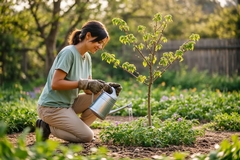
Amidst the hustle and bustle of modern life, the towering presence of trees adds a touch of tranquility to our everyday surroundings. Trees don't just add aesthetic value—they play crucial roles in our ecosystems. While understanding the care that goes into tree upkeep, one might ask: Should you water your trees? This question is especially pertinent for urban areas where maintaining a healthy green canopy is vital. Tree care companies in Milwaukee, such as First Choice Tree Care, stress the importance of knowing when and how to water your trees as a cornerstone of effective tree care.
As climate change influences weather patterns, creating the right conditions for tree growth has become more important than ever. With this blog post, we'll delve into the vital role of water in tree health, discuss the risks and benefits, and provide insights to help you make informed decisions about watering your trees. From understanding when watering is essential to recognizing potential overwatering dangers, we aim to shed light on everything you need to consider to maintain your yard's verdant splendor.
The Importance of Watering Your Trees
Watering is a critical aspect of tree care that cannot be overlooked. Trees require adequate hydration to support crucial processes like photosynthesis, nutrient uptake, and growth. While natural rainfall often suffices, there are circumstances where additional watering may be necessary, such as prolonged dry spells or newly planted trees that are still establishing their root systems. Trees play a vital role in urban landscaping, showcasing the necessity of services like tree diagnosis and treatment in Milwaukee to ensure their longevity and health.
Dry conditions place stress on trees, hampering their development and increasing susceptibility to pests and diseases. During extreme droughts, even mature trees can suffer, leading to long-term damage or death. Maintaining a routine watering schedule helps prevent these issues, promoting healthier, more resilient trees that enhance your landscape's beauty and ecological function.
However, indiscriminate watering can be detrimental. Too much moisture can lead to root rot, deprive roots of oxygen, and encourage fungal growth. Thus, understanding the balance between adequate watering and overwatering is essential for optimal tree care.
Recognizing When Your Trees Need Water
Identifying the right time to water your trees is crucial to avoid the risks associated with overwatering or underwatering. Trees can often communicate their water needs through visual cues. Wilting leaves, browning edges, or premature leaf drop can be signs of water stress due to insufficient watering. On the flip side, yellowing leaves or excessively soggy soil may indicate overwatering.
To accurately assess your trees' needs, regularly inspect the soil around the tree's base. If the soil feels dry several inches deep, it's a strong indication that watering is necessary. Additionally, consider the species of tree, as some varieties are more drought-tolerant than others, requiring less frequent watering.
Another helpful strategy is to maintain mulch around the tree’s base. Not only does mulch help retain soil moisture, but it also provides the added benefit of regulating soil temperature. Therefore, keeping an eye on both the soil and the tree's condition will guide you in making the right watering decisions.
The Risks of Overwatering
While it might be tempting to shower your trees with water, doing so can pose significant risks. Overwatering displaces oxygen in the soil, essentially drowning the roots and cutting off their oxygen supply. This can lead to root dieback and opens the door to pathogens such as root rot fungi. The doughy, mushy texture of roots can signify advanced stages of too much water exposure, hampering the tree’s ability to absorb nutrients.
Overwatered trees might also experience the development of leaf blisters, fluid-filled bumps that appear due to disruptions in the plant's internal pressure. Additionally, too much water can cause a rapid influx of nutrients, leading to nutrient imbalances within the plant.
To avoid overwatering, pay attention to local weather patterns and adjust your watering habits accordingly. During rainy periods, you may not need to water at all. Develop a measured approach that accommodates seasonal changes, allowing both your trees and the surrounding environment to thrive. Tree disease control in Milwaukee, WI can offer valuable insights and support to manage these issues effectively.
Watering Young vs. Mature Trees
The age and stage of your tree directly influence its water needs. Young trees, particularly within the first two years of being planted, have higher water requirements due to their immature root systems, which are still expanding and establishing themselves. During this period, frequent watering is usually recommended to promote growth and vitality.
In contrast, mature trees have an extensive root system capable of tapping into deeper and more widespread soil moisture reserves. They generally require less frequent watering, primarily depending on natural precipitation unless dry conditions persist. However, mature trees' roots can still suffer from compromised health due to changes in their environment, such as construction or the addition of impervious surfaces that alter water drainage paths.
Developing a tailored watering schedule that considers tree age, species, and environmental conditions is critical for keeping both young and mature trees thriving.
Steps to Properly Water Your Trees
While the concept of watering may seem straightforward, proper technique is essential for maximizing its benefits. The following guidelines offer a practical approach to ensure your trees receive the right amount of moisture without adverse effects:
- Assess Soil Moisture: Before you water, check the soil's moisture level by digging a small hole near the base of the tree. The soil should be damp but not waterlogged.
- Choose the Right Time: Water trees early in the morning or late afternoon to minimize evaporation loss.
- Apply Water Evenly: Use a soaker hose or drip irrigation to apply water slowly and evenly around the tree's root zone, reaching out to the edge of the tree's canopy.
- Monitor Weather Conditions: Adjust your watering schedule according to rainfall and temperature changes to ensure optimal moisture levels.
- Mulch Wisely: Maintain a healthy layer of mulch around the tree to preserve moisture and regulate temperature.
Incorporating these practices ensures that your trees are well-hydrated and capable of withstanding environmental stresses, particularly in urban settings like Milwaukee, WI, where both residential and commercial landscapes benefit greatly from professional tree consultation.
Considerations for Different Seasons
Seasonal shifts play a pivotal role in determining your tree's hydration needs. During spring and early summer, as trees resume active growth, regular watering supports bud break and foliage expansion. As temperatures peak in mid-summer, monitor soil conditions more closely, providing additional water to offset evapotranspiration losses. Fall, often characterized by rainfall, generally requires less irrigation, allowing trees to transition smoothly into dormancy without excess moisture that could encourage root rot during the colder months.
Winter, particularly in colder climates, does entail some moisture considerations. Although trees are dormant, they still lose some water through transpiration on warmer days. Occasionally watering during dry winters helps sustain root health without promoting new growth susceptible to frost damage. Adapting your approach to Wisconsin’s distinct seasonal changes facilitates robust tree health all year round.
Sustainable Tree and Landscape Practices
To support healthy landscapes, incorporating sustainable practices into your tree care routine can have a lasting impact. Efforts such as planning a diverse tree selection, encouraging native species, and utilizing climate-appropriate irrigation methods contribute to a balanced ecosystem. Regular pruning, soil testing, and landscape maintenance also minimize waste and promote efficient use of resources, enhancing the overall sustainability of urban and suburban environments.
First Choice Tree Care provides a myriad of solutions to combat specific challenges, such as tree and stump removal in Milwaukee, WI. Their expert services address both immediate concerns and long-term improvements, enabling homeowners to preserve their green spaces while supporting local biodiversity.
Why Professional Tree Care Matters
While homeowners can take many steps to nurture their trees, professional expertise offers the added assurance of optimal results. Insects, diseases, and environmental changes require precision diagnosis and treatment that leverages years of experience and specialized knowledge. This is particularly true with complex issues such as Emerald Ash Borer (EAB) treatments. Arborists possess the insight to correctly identify tree health challenges, determine effective intervention strategies, and execute preventative measures that ensure your trees flourish for years to come.
Whether addressing insect control, planting, pruning, or tree disease control in Caledonia, consulting with industry professionals like First Choice Tree Care provides the peace of mind that your yard is in capable hands.
Ensure Tree Health with First Choice Tree Care
Understanding the details of "should you water your trees" empowers you to make informed choices that nourish and protect your valuable natural assets. By distinguishing when and how much to water, and recognizing the risks involved, you'll cultivate a landscape that enhances your property and betters the environment. From insect control in Wisconsin Rapids, WI to tree disease control in diverse Wisconsin locales, professional guidance ensures your trees receive tailored care that sustains their vibrancy and longevity. Don't hesitate to reach out to First Choice Tree Care to book their trusted services, ensuring your trees remain a point of pride in your landscape.