
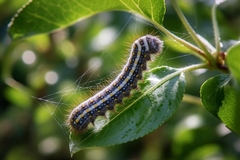
Nature often surprises us with its diversity, presenting not just beauty but challenges as well. Among these are tent caterpillars, which can affect the landscapes we cherish. So, are tent caterpillars harmful to trees? It's a pressing question for any tree lover or homeowner committed to a lush, vibrant yard. If you're considering enlisting a tree care service in Milwaukee, this topic takes on even more significance. Understanding the impact of these caterpillars on your greenery and how to manage them effectively can not only save trees but also enhance your property's overall value.
Tent caterpillars are often misunderstood. While their silken tents are a sight to behold, especially in the early morning light, these creatures can defoliate trees at a rapid pace, leading to weakened plants. This blog will explore the nature of tent caterpillars, their impact on trees, and effective strategies to control them. As we delve deeper, we'll uncover various methods, both preventative and reactive, to combat these pests, from natural solutions to professional interventions.
The Nature and Behavior of Tent Caterpillars
Tent caterpillars are among the most common defoliating pests in North America. The small insects are named for the silken tents they create on tree branches, which serve as communal shelters. These tents are constructed from the eggs of the previous year's moths, laid in masses that can number several hundred. As spring arrives, the eggs hatch, and out come the caterpillars ready to feed.
These caterpillars predominantly target deciduous trees such as cherry, willow, and apple. Once they invade a tree, they devour the leaves, often going unnoticed until significant defoliation occurs. The question isn't just "are tent caterpillars harmful to trees," but "how do they affect the overall health and aesthetics of my landscape?" The stress from defoliation weakens trees, making them susceptible to diseases and other pests.
In Milwaukee, WI, tent caterpillars can disrupt not only individual properties but also community green spaces, leading to a ripple effect on local ecosystems. Thus, understanding their behavior is crucial in managing and mitigating their impact effectively.
Identifying Tent Caterpillar Infestation
Early identification of tent caterpillar infestations is vital to controlling their spread. As their appearances can be rather deceptive, distinguishing them from other similar pests is necessary.
Trees hosting tent caterpillars often display large, white, silky structures in the forks of branches. These structures are primarily used for resting and are obviously visible, making them relatively easy to spot upon close examination. Despite the prominent tents, many people first notice the pest when they see extensive leaf damage.
It's important to note that the damage caused by tent caterpillar infestations may not kill a tree outright. However, repeated defoliation can seriously compromise its vitality. Weakened trees become more prone to other threats, such as diseases or environmental stressors.
Are Tent Caterpillars Harmful to Trees?
To fully unravel the answer to "are tent caterpillars harmful to trees," it's essential to assess the situation from multiple angles. While tent caterpillars do not typically kill trees, severe infestations result in significant foliage loss. This defoliation interrupts photosynthesis, reducing the tree's energy reserves needed for growth and resilience.
The cyclical nature of their harm means that one bad year with high caterpillar activity doesn't imply tree death. However, consecutive years of defoliation place trees under constant stress, weakening their natural defenses and making them vulnerable to environmental factors and invasive species. In the case of fruit trees, the loss of leaves can also reduce fruit yield, affecting agricultural outputs.
Approaches to Control Tent Caterpillars
Effectively controlling tent caterpillars involves a blend of preventive measures and direct interventions. Below are some strategies:
- Physical Removal: During early spring, as the tents first appear, remove and destroy them. This can significantly reduce the number of caterpillars before they mature. Pruning affected branches, without harming the tree, can be an effective physical control method.
- Biological Control: Introducing natural predators like certain wasp species can help keep caterpillar populations in check. Additionally, promoting healthy ecosystems through diverse plantings can balance pest numbers.
- Chemical Control: In cases of severe infestation, insecticides may be necessary. Products containing Bacillus thuringiensis (Bt) target caterpillars specifically and possess minimal risk to other wildlife. However, chemical controls should only be applied early in the infestation cycle.
- Professional Services: Consulting a tree care service like First Choice Tree Care can provide tailored solutions. Professional intervention may include tree diagnosis and treatment in Milwaukee to ensure long-term health post-infestation.
It's vital to act promptly at the first sign of an infestation to prevent extensive damage. With a combination of these approaches, you can protect not only individual trees but the wider landscape ecosystem.
Best Practices for Preventive Maintenance
Preventing tent caterpillar infestations begins with maintaining tree health. Well-nourished trees are naturally more resilient. Regular monitoring, especially during peak caterpillar months, goes a long way in catching early signs of infestation.
Pruning dead or infested branches, planting a variety of tree species to spread out risk, and supporting natural predators are all part of a holistic approach to landscape maintenance. Furthermore, consulting with professionals about targeted preventive measures, like fertilization or insect control in Milwaukee and its nearby suburbs, enhances your strategy.
Understanding the Bigger Picture
Focusing back on "are tent caterpillars harmful to trees," remember that the impact goes beyond mere leaf loss. The ecological balance, property aesthetics, and tree longevity all hinge on effective management of these pests. An informed approach, using a variety of control strategies and regular monitoring, ensures your trees remain robust and your landscape vibrant.
As you consider ways to safeguard your green spaces, recognize the value of professional insights and services. This is especially true for keeping high-value or heritage trees in optimal condition.
Broader Pest Management Strategies
The issue of tent caterpillars dovetails into broader pest management strategies that can be applied to counter other threats, such as the Emerald Ash Borer (EAB). Incorporating comprehensive pest control initiatives protects against a myriad of potential problems, offering peace of mind and sustained beauty to your home or community landscape.
In fact, it is beneficial to evaluate your landscape frequently and apply necessary treatments like fertilization, tree and stump removal, or cable and bracing, ensuring a proactive defense against pest impact. What tent caterpillars teach us is the importance of vigilance and consistent care in preserving tree health.
Proactively Protect with First Choice Tree Care
By now, understanding whether or not tent caterpillars are harmful to trees and how to control them has hopefully sparked a few ideas on how to protect your greenery. Yet, navigating the complexities of tree care requires more than just knowledge - it often demands expertise and precision only professionals can provide.
Enlisting experts for tree disease control, planting advice, or insect control in Marshfield, WI ensures that your landscape thrives. First Choice Tree Care can guide you through assessments, treatments, and continued maintenance, making it easier to sustain the vitality of your gardens.
Take the next step and reach out to us. Our team is ready to partner with you for a healthier, greener future. Whether you're dealing with a current infestation or looking to bolster your defenses through services like tree diagnosis and treatment in Brown Deer, let us be your ally in exceptional tree care. Contact us today!