
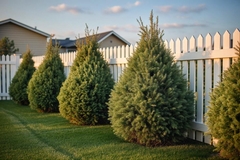
Pine trees are a majestic presence in any landscape, offering beauty, shade, and habitat for wildlife. However, they require mindful nurturing to maintain their health and vibrancy throughout the year. Understanding how to care for pine trees is essential for any homeowner or landscaper interested in preserving the integrity of these evergreens. Whether it involves seasonal adjustments or understanding specific health concerns, effective tree care ensures that your pines remain robust and visually stunning. If you're seeking professional assistance, consider a reliable tree care service in Milwaukee, WI, to help with the needed expertise and specialist knowledge.
Pine trees, with their resilience and evergreen charm, are a popular choice for many homeowners. But to keep them thriving, it's vital to understand their seasonal needs and the common challenges they face. This guide explores a year-round approach to pine tree maintenance, offering insights into strategies for each season. Readers will discover practical tips and understand the importance of timely interventions for ensuring their pines prosper.
Understanding Seasonal Care
Each season brings unique conditions that affect how to care for pine trees. To address these seasonal changes effectively, it's necessary to be aware of the specific requirements for pine tree health and how they align with the seasonal climate.
Spring: Awakening and Growth
Spring is a critical time for pine trees as they transition from dormancy to active growth. Adequate watering is crucial to support new growth. Deep watering every two weeks can promote root development. Applying a balanced fertilizer can provide the essential nutrients needed for robust growth. Additionally, it's important to inspect for pests, as early intervention can prevent extensive damage. During this time, task your landscaping team with a tree consultation in Milwaukee, WI, to assess and diagnose any potential threats to tree health.
Summer: Sustaining Health
Summer presents challenges such as increased temperatures and potential drought. It's important to ensure consistent watering without over-saturating the roots. Mulching around the base of pine trees helps retain moisture and suppress weeds, while protecting the soil from excess heat. Regularly check for signs of pests and diseases, as these can spread rapidly during warm months. Consider introducing insect control measures to thwart infestations before they can cause significant damage to your trees.
Fall: Preparing for Dormancy
In the fall, pine trees begin to prepare for winter dormancy. During this period, gradually reduce watering to prevent waterlogged roots. However, one last deep watering before winter can protect them from drying out. It's also the best time to prune dead or diseased branches, promoting healthier growth in the coming year. Implementing a fertilization routine will provide nutrients stored in the roots and ready for the spring surge.
Winter: Protect and Preserve
Winter care primarily focuses on protection. Snow and ice accumulation can be detrimental to branches, so gently remove buildup to avoid breakage. Ensure mulch is thick enough to insulate against freezing temperatures. For young trees, consider wrapping to prevent winterburn. Regular monitoring throughout the winter will help your pine trees emerge healthy and ready for new growth in spring.
Addressing Common Pine Tree Challenges
Pine trees are susceptible to specific pests and diseases that can affect their health. Knowing how to care for pine trees includes understanding these threats and how to manage them effectively.
Pest Management
Common pests, such as pine beetles and aphids, can cause significant damage. Early identification and intervention are crucial. Introducing natural predators and maintaining tree health through proper watering and nutrition can reduce the likelihood of infestations. If a severe problem occurs, professional tree diagnosis and treatment services can provide targeted solutions.
Disease Control
Pine trees are prone to fungal diseases like needle cast and root rot. Ensuring good air circulation by pruning excess branches and avoiding overcrowding is essential. Fungicides can offer protection against many fungal infections. It is also beneficial to ensure your soil has good drainage properties to prevent diseases related to overwatering.
Structural Support and Storm Damage Prevention
Strong winds and heavy snowfall can cause structural damage to pine trees. Employing cable and bracing techniques can provide additional strength to vulnerable trees, minimizing the risk of limb breakage. In the event of severe weather, emergency storm damage services in Milwaukee, WI, are available to address immediate concerns and mitigate damage.
Enhancing Your Pine Tree Care Experience
Understanding how to care for pine trees includes taking actions that go beyond seasonal maintenance and addressing common challenges. Incorporating the following strategies can significantly enhance the health and longevity of your pines.
Creating a Supportive Ecosystem
Companion planting and maintaining diverse plant life around your pine trees can improve soil health, aid in moisture retention, and attract beneficial insects. This holistic approach helps establish a thriving environment, reducing the impact of potential threats.
Expert Consultation for Specific Needs
For personalized advice and specialized care, consulting with tree care experts is invaluable. Leveraging services such as tree consultations and landscape maintenance ensures tailored strategies are applied, maximizing the health and growth potential of your pines.
Community Engagement
Invite collaboration within your community to exchange knowledge and strategies on pine tree care. This shared learning can lead to better tree management practices within your neighborhood. Engaging with local groups can also provide opportunities for communal efforts in landscape maintenance.
Keep Your Pine Trees Healthy Year-Round
Knowing how to care for pine trees year-round enriches your landscape and ensures these majestic evergreens thrive through every season. Addressing the specific needs of your trees each season promotes robust growth, enhances aesthetics, and prevents common problems. Whether you're dealing with pests, complex nutrient needs, or structural concerns, there are comprehensive strategies and professional services to fit every need.
Engage with a tree care provider today and experience the benefits of expert insight and personalized care plans. Those in Wisconsin, including Waukesha, WI, can easily utilize services such as pruning and tree disease control, ensuring that your trees receive the highest standard of care. From Emerald Ash Borer (EAB) treatments in New Berlin, WI, to emergency storm damage responses, the expertise your trees deserve is just a call away. Contact us today.