
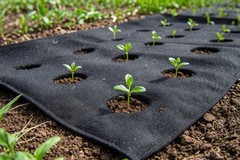
One of the most common questions we hear during garden bed planning is whether that roll of black fabric in the shed actually lets rain through to the roots below. It is a fair thing to wonder, because the whole point of a healthy bed is to keep plants thriving while keeping weeds out. So, is landscaping fabric water permeable? The short answer is yes, most quality landscaping fabrics are designed to allow water to pass through, though not all products behave the same way once they are installed and covered with mulch or stone. As a team that provides tree services in Milwaukee, we have seen how the right fabric choice can support a landscape and how the wrong one can quietly work against it.
Understanding how this material functions helps you plan smarter beds that need less maintenance and hold up through Wisconsin's wet springs and dry summer stretches. Below, we break down how permeability works, which types perform best, and how to install fabric so your plants get the moisture they need.
How Landscaping Fabric Handles Water
Landscaping fabric, sometimes called weed barrier or landscape cloth, is manufactured with tiny pores or a woven structure that permits water and air to move through while blocking sunlight from reaching weed seeds below. When people ask is landscaping fabric water permeable, the answer depends largely on the type they are holding. Woven and spun-bond non-woven fabrics are engineered specifically to let rain, irrigation, and nutrients soak into the soil. In contrast, solid plastic sheeting, which some folks mistake for landscape fabric, blocks water almost entirely and should not be used around living plants that depend on consistent moisture.
The permeability rate, often listed as a flow-through measurement, tells you how quickly water passes. A good fabric drains fast enough that puddles do not form on the surface during normal rainfall. That matters here in central Wisconsin, where heavy seasonal downpours can overwhelm a poorly chosen barrier and leave roots sitting in standing water or, worse, cause runoff that strips mulch out of your beds.
Why Permeability Matters for Plant Health
Roots need three things from the soil surface: water, oxygen, and a stable temperature. A permeable fabric supports all three by letting rain reach the root zone while still allowing the soil to breathe. When water cannot penetrate, plants become stressed, foliage yellows, and shallow-rooted shrubs may struggle during dry weeks because the moisture simply runs off instead of soaking in.
This is especially important around trees and larger shrubs. Established trees send feeder roots out far beyond their trunks, and those roots rely on steady surface moisture. If a non-permeable barrier is laid over that area, you can slowly suffocate the root system over several seasons. We often recommend keeping fabric well away from the base of trees and leaving the critical root zone open to natural water and air exchange. Thoughtful bed design that respects a tree's roots pairs naturally with regular tree and shrub pruning in Milwaukee, WI to keep the whole landscape in balance.
Choosing the Right Fabric for Your Beds
Not every bed calls for the same product, and matching the fabric to the planting makes a real difference. For ornamental beds with perennials you plan to move or divide, a lighter woven fabric is often easier to work with. For pathways, under stone, or in areas where you want long-term weed suppression and little future digging, a heavier commercial-grade non-woven fabric tends to last longer and resist tearing.
When you are comparing options, keep these points in mind:
- Look for products clearly labeled as water permeable or with a listed flow rate, and avoid solid plastic around living plants.
- Match the weight to the job: lighter for flexible planting beds, heavier for high-traffic or stone-covered areas.
- Consider how often you will replant, since fabric is harder to adjust once perennials fill in.
- Factor in your top dressing, because mulch, gravel, and river rock each sit differently over the barrier.
Keep in mind that even a highly permeable fabric can become clogged over time as fine soil, decomposed mulch, and organic debris settle into its pores. That buildup gradually reduces how well water moves through, which is one reason seasoned landscapers suggest refreshing beds periodically rather than treating fabric as permanent.
Installation Tips That Protect Drainage
Even the best fabric fails when it is installed poorly, so technique matters as much as the product. Start by clearing the bed of existing weeds and raking the soil smooth, because lumps and debris create gaps where weeds sneak through and water pools unevenly. Overlap seams by several inches and secure the fabric with landscape staples so wind and foot traffic do not shift it.
Cut generous openings around each plant rather than tiny slits. A larger opening lets water reach the root ball directly and gives the plant room to grow without the fabric choking its base. Once planting is done, add a two to three inch layer of mulch on top. The mulch protects the fabric from sun degradation, helps hold moisture, and keeps the whole bed looking finished. Avoid piling mulch so deep that it creates its own weed-growing layer above the barrier, which is a common reason people conclude their fabric is not working.
In low spots where water tends to collect, consider improving drainage before laying any fabric. No barrier, permeable or not, can compensate for a bed that holds water because of grading problems. If you are unsure how water moves across your property, our crews serving Milwaukee and the surrounding areas can assess the site and recommend a layout that keeps both your plants and your soil healthy.
Common Mistakes to Avoid
The biggest misstep we see is using fabric as a cure-all. It suppresses weeds that sprout from seed below it, but it does nothing to stop windblown seeds that land in the mulch on top. Over a few seasons, weeds can root right into that upper layer, and their roots may grow down through the fabric, making removal harder than if no barrier had been used at all.
Another frequent error is wrapping fabric too tightly around trees and shrubs, which restricts trunk flare and traps moisture against the bark. We also caution against layering fabric over areas you expect to amend with compost regularly, since the barrier blocks that organic matter from working its way into the soil. For homeowners who want help weighing these trade-offs, our frequently asked tree care and landscaping questions page covers many of the concerns that come up during planning.
Planning a Bed That Lasts
So, circling back to the original question, is landscaping fabric water permeable? Yes, when you choose a quality permeable product and install it with care, it lets water and air reach the soil while cutting down on weeds. The key is selecting the right type for each bed, keeping fabric away from the sensitive root zones of trees, and maintaining your mulch layer so the whole system keeps draining the way it should.
Great garden beds are part of a bigger picture that includes healthy trees, proper pruning, and smart site design. Whether you are redesigning a front yard or recovering from emergency storm damage in Amherst, thoughtful planning pays off for years. If you would like a professional eye on your landscape, our tree care service in Milwaukee, WI and neighboring communities is ready to help. Reach out to First Choice Tree Care for a consultation and let us help you build beds that look great and work the way nature intended.