
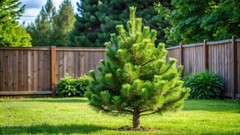
Few landscaping challenges frustrate Wisconsin homeowners quite like the bare, needle-covered patch of ground beneath a stand of pines. The soil feels dry and dusty, the light is thin, and no matter how much seed you scatter, the grass just refuses to fill in. If you have been searching for a real answer on how to grow grass under pine trees, you are not alone, and the good news is that success is possible with the right approach. The experts at tree care companies in the Milwaukee area deal with this exact problem across countless yards every season.
Pines create a triple threat for turf: heavy shade, acidic soil, and a dense mat of fallen needles that smothers new growth. Understanding why grass struggles in these conditions is the first step toward finally getting something green to take hold. Once you know what you are working against, the solutions become far more manageable than you might expect.
Why Grass Struggles Beneath Pines
Pine trees are remarkably efficient at claiming resources, and that efficiency comes at the expense of anything trying to grow below them. Their canopy filters out much of the sunlight that grass needs for photosynthesis, and their shallow, widespread root systems soak up water and nutrients before turf ever gets a chance. On top of that, the ground under a pine tends to stay dry because the branches act like an umbrella, deflecting rain away from the trunk.
Then there is the soil chemistry. Pine needles are mildly acidic, and as they decompose they contribute to a lower soil pH over time. Most common lawn grasses prefer a pH between 6.0 and 7.0, while soil under mature pines often drifts below that comfortable range. This combination of low light, competition for moisture, and acidity is exactly why so many homeowners give up before they figure out how to grow grass under pine trees the right way.
Choose Grass Varieties Built for Shade
The single most important decision you will make is selecting the correct grass species. Sun-loving varieties like Kentucky bluegrass will disappoint you almost every time in these conditions. Instead, lean toward fine fescues, which are the true workhorses of shady, acidic ground. Creeping red fescue, chewings fescue, and hard fescue all tolerate low light and lower pH far better than most alternatives, and they are well suited to the cooler climate found throughout central Wisconsin.
When you shop for seed, look for a shade mix that lists fine fescues as the primary ingredients. These grasses grow more slowly and require less mowing, which is an added bonus in an area you probably do not want to fuss over constantly. Keep your expectations realistic, though. Even the toughest shade grass needs at least three to four hours of filtered light per day to establish, so the density you achieve will depend on how much sun actually reaches the ground.
Fix the Soil and Manage the Needles
Before you spread a single seed, address the acidity. A simple soil test will tell you your current pH and how much amendment you need. In most cases, applying lime raises the pH into a range where grass can thrive, though the amount varies based on your results, so avoid guessing. Retesting every couple of years helps you stay ahead of the gradual acidification that pines cause.
Fallen needles are the next hurdle. A thin layer actually protects soil and retains moisture, but a thick, matted blanket blocks seed-to-soil contact and prevents germination. Rake away the heavy buildup before seeding, then leave only a light scattering. Working an inch or two of quality compost or topsoil into the area also improves moisture retention and gives new roots something better than compacted, dry earth to grow into. Thoughtful soil preparation and proper fertilization in Almond, WI often make the difference between a patch that fails and one that finally fills in.
Let More Light Reach the Ground
Sometimes the smartest fix is not on the ground at all. Selective pruning of the lower branches, a technique arborists call crown raising, lets significantly more sunlight and rainfall reach the turf below. Thinning the canopy can also increase the dappled light that filters through, which shade-tolerant grasses genuinely appreciate.
This is delicate work, however. Removing too many branches or cutting incorrectly can stress the tree, invite disease, or ruin its natural shape. Professional tree and shrub pruning balances the health of the pine against your desire for a greener lawn beneath it. A certified arborist knows exactly how much can be safely removed to improve light without compromising the tree, which is why this step is worth leaving to trained hands rather than tackling it with a ladder and a saw.
Seeding and Ongoing Care
Timing matters. In Wisconsin, early fall is the ideal window for planting cool-season grasses because soil is still warm, nights are cooler, and weed competition drops off. Spring is a reasonable second choice. Once your soil is prepped and the pH is corrected, the process for establishing turf under pines follows a straightforward rhythm.
- Rake away excess needles and loosen the top inch of soil.
- Spread a fine fescue shade mix at the rate listed on the bag.
- Cover lightly with compost and keep the area consistently moist until germination.
- Water deeply but less often once the grass is established to encourage roots to reach past the pine roots.
- Mow high, around three inches, so the blades capture as much filtered light as possible.
Overseeding thin spots each fall keeps the stand looking full, since grass under pines rarely reaches the lushness of an open lawn. Feeding lightly with a fertilizer formulated for shade also helps, but resist the urge to overdo it, because too much nitrogen can weaken shade grass rather than strengthen it. Patience is part of the plan here. Filling in these areas is a season-long project, not a weekend one.
When to Bring in the Professionals
If you have tried and failed more than once, or if the shade is simply too dense for any grass to survive, it may be time to reconsider the goal. Shade-loving groundcovers, mulch beds, or native plantings can turn a stubborn dead zone into an attractive feature with far less effort. Deciding what will actually thrive is where professional guidance on planting in Almond, WI pays off, because the right plant in the right place saves years of frustration.
Getting grass to grow in these tricky spots comes down to matching shade-tolerant fescues to corrected, well-prepared soil, managing the needle layer, and letting a little more light through the canopy. Combine those steps with realistic expectations and consistent watering, and you will have a far better shot at that green carpet you have been chasing. For homeowners who would rather hand the whole project to someone else, ongoing landscape maintenance in Milwaukee and neighboring communities keeps both your trees and your turf healthy year after year.
Whether you need advice on how to grow grass under pine trees, a canopy that needs pruning or carefully thinned, or a full plan for your yard, the team at First Choice Tree Care is ready to help across Mosinee, Milwaukee, and the surrounding areas. Reach out for a free quote and let our arborists turn that bare patch into something you are proud to look at.