
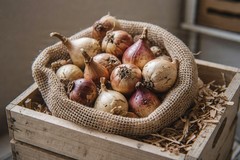
Few things are more disappointing than opening a bag of bulbs you saved all winter only to find them soft, moldy, or shriveled beyond saving. Whether you dug up tender summer bulbs after the first frost or simply bought more spring bulbs than you had time to plant, knowing how to store bulbs before planting makes the difference between a vibrant garden and a bag of compost. At First Choice Tree Care, our team spends a lot of time helping Wisconsin homeowners protect their landscapes, and alongside our tree services in Milwaukee, we often get questions about how to carry bulbs safely through the off-season.
The good news is that bulbs are remarkably resilient when given the right conditions. They are living plants in a dormant state, and your job during storage is simply to keep that dormancy stable. Too much warmth wakes them up early, too much moisture invites rot, and too much dryness drains the energy they need to bloom. Get the balance right and you will have healthy, plump bulbs ready to go the moment the ground is workable.
Why Proper Bulb Storage Matters
Bulbs store all the nutrients a plant needs to produce its first flush of leaves and flowers. When they are mishandled, that stored energy breaks down, and even if the bulb survives, it may produce weak growth or skip flowering entirely for a season. This is especially true for tender varieties like dahlias, cannas, and gladiolus, which cannot survive freezing Wisconsin winters outdoors and must be lifted and stored indoors.
Hardy bulbs such as tulips, daffodils, and crocus are a different situation. Ideally these go into the ground in fall, but if you run out of time before the frost sets in, you can hold them over with the right care. Understanding how to store bulbs before planting helps you avoid wasting money and gives you flexibility when weather or a busy schedule gets in the way of fall planting.
Prepare Your Bulbs for Storage
Preparation begins the moment the bulbs come out of the ground or the bag. For bulbs you have dug up, gently brush off loose soil without washing them, since excess moisture is the leading cause of rot. Let them cure in a dry, airy spot out of direct sunlight for a week or two until the outer skins feel papery and the surface is dry to the touch. Trim away any remaining foliage and roots once they have dried.
Inspect every bulb carefully and discard any that feel mushy, show signs of mold, or have soft spots. A single rotting bulb can spread problems to the rest of the batch. This sorting step is one of the most important parts of how to store bulbs before planting, because starting with clean, firm bulbs sets the stage for successful storage through the winter months.
Choose the Right Storage Conditions
Temperature and humidity are the two factors that matter most. Most bulbs prefer a cool, dark spot with temperatures between 35 and 50 degrees Fahrenheit. An unheated basement, a root cellar, an attached garage that stays above freezing, or a spare refrigerator all work well. The goal is consistency, so avoid any location prone to wide temperature swings or freezing.
Air circulation keeps moisture from building up around the bulbs. Pack them loosely in mesh bags, paper sacks, or open crates layered with a dry medium such as peat moss, vermiculite, sawdust, or shredded newspaper. This cushioning absorbs excess humidity and keeps the bulbs from touching, which limits the spread of any decay. Steer clear of sealed plastic bags, which trap condensation and quickly lead to rot.
One caution worth noting: keep bulbs away from ripening fruit. Apples and other produce release ethylene gas, which can damage the flower inside the bulb. If you are chilling tulips or other spring bulbs in the refrigerator, give them their own shelf or drawer away from the fruit bin.
A Simple Storage Checklist
To keep things straightforward, here are the core steps to follow once your bulbs are cleaned and cured:
- Store at a steady 35 to 50 degrees Fahrenheit in a dark location.
- Use breathable containers packed with a dry medium like peat moss or vermiculite.
- Keep bulbs separated so they are not touching one another.
- Check them monthly and remove any that have gone soft or moldy.
- Keep them away from ripening fruit and any source of heat.
These habits are easy to maintain and take only a few minutes each month. A quick inspection keeps a small problem from becoming a lost harvest, and it gives you a chance to adjust conditions if the storage area feels too damp or too warm.
Timing Your Move From Storage to Soil
Knowing when to pull bulbs out of storage is just as important as how you keep them. Hardy spring bulbs that were held over should go into the ground as soon as the soil can be worked, before they put out significant growth in storage. Tender summer bulbs like dahlias and cannas wait until after the last frost, when the soil has warmed and there is no risk of a late freeze.
Here in central Wisconsin, our season runs short, so planning your bulb timeline around local frost dates pays off. The same attention to timing that guides successful planting in Amherst, applies throughout the region, where unpredictable spring weather can catch gardeners off guard. When you time it well, bulbs transition from dormancy to active growth with minimal stress, which translates into stronger blooms.
If you are not sure how your bulbs fit into a larger landscape plan, it can help to think about them alongside your trees and shrubs. Bulbs planted beneath deciduous trees often thrive because they bloom and gather sunlight before the canopy leafs out, then go dormant as the shade returns. Thoughtful tree and shrub pruning can improve the light reaching those beds and keep your garden layers working together.
Bringing It All Together
Storing bulbs well comes down to a few reliable principles: start with firm, cured bulbs, keep them cool, dark, and dry, give them breathing room, and check on them now and then. Master those basics and you will understand how to store bulbs before planting no matter what variety you are working with, from a handful of leftover tulips to a full tray of dahlia tubers. The effort you put in during the off-season rewards you with a garden that bursts to life when the warm weather finally returns.
A beautiful landscape is more than just flowers, though, and the trees and shrubs that frame your yard deserve the same thoughtful care. If you would like help tying your garden beds, bulbs, and mature plantings into one cohesive plan, our professional tree care service is ready to assist. We proudly serve Milwaukee and the surrounding communities, and we would be glad to answer your questions or provide a free quote for your property. Reach out to First Choice Tree Care whenever you are ready to make your landscape its healthiest and most vibrant.