
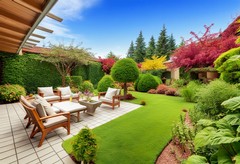
A single well-placed tree can transform a plain yard into a destination, cooling the air on a hot afternoon, framing a view, and adding value that grows with each passing season. When homeowners begin thinking seriously about trees for landscaping, they quickly realize that these living features do far more than fill empty space. They shape how a property feels, how it functions, and how it holds up over decades. If you want thoughtful guidance from a team that offers tree services near you in the Milwaukee area, understanding a few core principles first will help you make choices you will be glad about years from now.
The best landscapes are planned, not accidental. Trees anchor that plan. They provide the vertical structure that makes flower beds, lawns, and hardscaping feel intentional rather than scattered. Whether you are starting with a blank lot or refining a mature yard, the decisions you make about which trees to plant and where to place them will echo for a very long time.
Why Trees Belong at the Center of Your Landscape Plan
It is tempting to treat trees as an afterthought, something to add once the patio and garden beds are finished. In reality, trees should come first in the planning process because they are the slowest to establish and the hardest to move. A mature shade tree can take fifteen to twenty years to reach its full potential, so the sooner it goes in the ground, the sooner you enjoy the reward.
Beyond patience, there is real function at work. Strategically placed trees for landscaping can reduce summer cooling costs by shading the roof and windows, block harsh winter winds, and buffer noise from nearby roads. They also create privacy without the stark look of a fence, softening property lines with greenery instead of hard barriers. In the Milwaukee area and across central Wisconsin, where seasons swing dramatically, these benefits are especially valuable throughout the year.
Choosing the Right Species for Wisconsin Conditions
Not every beautiful tree belongs in every yard. Wisconsin winters, clay-heavy soils, and short but intense growing seasons all influence which species will flourish and which will struggle. The smartest approach is to match the tree to the site rather than forcing a favorite into conditions it cannot tolerate.
For dependable shade, native and well-adapted species tend to perform best. Consider the following when weighing your options:
- Mature size, so the tree fits the space without crowding structures or power lines
- Sunlight and soil drainage in the intended spot
- Root behavior, since aggressive roots can disrupt sidewalks and foundations
- Seasonal interest, from spring blossoms to fall color
- Pest and disease resistance, which reduces long-term maintenance
Diversity matters too. Planting a mix of species protects your landscape from losing everything to a single threat, a lesson many communities learned when the emerald ash borer devastated ash populations. If your property already includes ash trees, professional emerald ash borer treatments can help preserve them while you introduce new varieties for balance.
Placement: The Detail Most People Get Wrong
Where you plant is nearly as important as what you plant. A tree that looks charming as a sapling can become a costly problem when it grows into a wall, a roofline, or an underground utility. Give every tree room to reach its mature spread, and picture the canopy at full size before you dig.
Think in layers when designing with trees for landscaping. Tall canopy trees provide the overhead structure and shade. Smaller ornamental trees, such as serviceberry or crabapple, add mid-level interest and seasonal color. Shrubs and perennials fill the ground plane beneath them. This layered approach mimics natural woodland edges and creates a landscape that feels full and cohesive rather than sparse.
Sun angles deserve attention as well. Trees on the south and west sides of a home deliver the most cooling shade in summer, while an evergreen windbreak on the north or northwest side blunts winter winds. A little planning here pays dividends in comfort and energy savings for years.
Timing and Technique for Healthy Establishment
Even the perfect tree in the perfect spot can fail if it is planted poorly or at the wrong time. In Wisconsin, spring and early fall are generally the friendliest windows, giving roots time to settle before the stress of summer heat or winter freeze. Careful planting in Almond, WI and neighboring towns means digging a wide, shallow hole, setting the root flare at the proper level, and avoiding the common mistake of burying the trunk too deep.
Mulch helps enormously, but only when applied correctly. A ring of mulch two to three inches deep, kept away from direct contact with the trunk, conserves moisture and moderates soil temperature. Piling mulch against the bark, on the other hand, traps rot and invites pests. Consistent watering during the first two or three growing seasons is what truly determines whether a young tree thrives, since its roots have not yet spread far enough to fend for themselves.
As trees mature, thoughtful tree and shrub pruning keeps them structurally sound and visually appealing. Removing crossing branches, thinning dense canopies, and shaping young trees early prevents the weak forks and heavy limbs that lead to storm damage later. Good pruning is an investment in both safety and beauty.
Protecting Your Investment Over Time
Trees are living organisms, and even the healthiest specimens can encounter trouble. Fungal infections, insect infestations, and environmental stress can all take a toll, sometimes quietly until significant damage has occurred. Watching for early warning signs like discolored leaves, dead branches, or unusual bark changes allows you to act before a small issue becomes a serious one.
This is where professional expertise proves its worth. A certified arborist can evaluate the overall health of your landscape, recommend species suited to your goals, and identify problems you might miss. Scheduling a tree consultation in Almond, WI gives you a clear picture of what your property needs, whether that is soil improvement, structural pruning, or a long-term care plan. For properties already dealing with pests or pathogens, targeted tree disease control in Almond, WI can halt the spread and give struggling trees a fighting chance at recovery.
Ongoing care does not have to be complicated. Many homeowners benefit from a maintenance schedule that combines seasonal inspections, timely pruning, and preventive treatments. If you would like to learn more about how professional care fits into a healthy landscape, our tree and lawn care services cover everything from young tree establishment to the maintenance of established canopies.
Building a Landscape That Grows With You
Designing with trees is one of the few home improvements that becomes more valuable every year. The sapling you plant today will shade your children's summers, frame your favorite window, and add character that no fresh coat of paint can match. Choosing the right trees for landscaping, placing them with care, and maintaining them properly turns a good yard into a lasting one.
The key takeaways are simple. Plan your trees before the rest of your landscape, match each species to your site and climate, give roots and canopies the room they need, and stay attentive to health as the years pass. When you approach the process with patience and a little expert guidance, the results reward you season after season.
Whether you are refreshing an established property or starting fresh in Mosinee, Milwaukee, Almond, and the surrounding communities, First Choice Tree Care is ready to help you make confident choices. Whether you need tree and shrub pruning or tree services in Edgar, WI, reach out for a personalized plan and let our team help your landscape reach its full potential.