
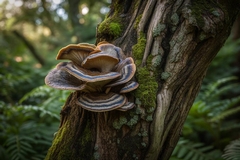
Imagine strolling through a dense forest or even your backyard in Milwaukee, WI, when you stumble upon a tree adorned with an array of striking mushrooms. These fascinating fungi, known as mushrooms that grow on trees, offer both beauty and intrigue. However, while enchanting, they can also signal underlying issues within the trees they inhabit.
If you're a homeowner or property manager keen on preserving the health of your landscape, understanding these mushrooms is essential. Tree care companies in Milwaukee and its nearby areas often encounter this phenomenon as part of their routine maintenance and investigation of tree health.
Mushrooms growing on trees can sometimes indicate decay or other problems, but they aren't always a cause for alarm. In this blog post, we’ll delve into various types of tree-dwelling mushrooms, their identification, the causes behind their appearance, and potential impacts on tree health. This is vital knowledge for any tree guardian aiming to maintain robust and healthy trees. Equipped with this understanding, you will be better prepared to engage with professionals or take preventative steps in the growth and preservation of your green spaces.
Identifying Common Mushrooms on Trees
Identifying mushrooms that grow on trees can seem like an intimidating task at first. Familiarity with some common types of these mushrooms can serve as a useful starting point for any tree owner. Here's a brief overview of some of the most common types:
- Bracket Fungi: Seen as shelf-like entities jutting from the tree bark, these mushrooms are often hard and woody. They can vary greatly in color and size. A well-known bracket fungi, the Artist's Conk, can be identified by its smooth, white surface, which darkens when scratched, making creative etchings possible.
- Honey Fungus: Honey Fungus mushrooms can form clusters near the base of a tree or sporadically along the trunk. Honey-colored caps on long, slender stems distinguish them. Recognized as parasitic fungi, they can spread beneath the soil, impacting several trees or shrubs over time.
- Turkey Tail: Renowned for its vivid concentric rings of color, the Turkey Tail mushroom often emerges on fallen trees or logs. It's a polypore fungus, also a bracket type, and generally considered a forest recycler, breaking down deadwood rather than causing decay.
Understanding these types of mushrooms assists in evaluating whether their presence is benign or an indicator of potential issues that might require intervention by tree care experts.
Causes of Mushrooms Growing on Trees
Mushrooms on trees are visible signs of fungi at work, typically decomposing organic matter and sometimes indicating decay within a tree. Factors contributing to the growth of mushrooms that grow on trees include:
1. Tree Decay
When fungi infiltrate a tree, they often target decaying wood. The presence of mushrooms usually signals that there's rotting wood inside, as fungi assist in breaking down cell structure. Decay can result from previous damage to the tree bark from storms or pruning wounds, offering an entrance point for fungi.
2. Moisture Conditions
Trees in consistently damp conditions may become ripe hosts for fungal growth. Wet conditions not only promote fungi but also weaken tree structures, making them susceptible to fungal invasion. Consistent rain or proximity to water sources can create such conducive conditions.
3. Environmental Stressors
Pollution, soil compaction, and restricted root growth due to nearby construction can stress trees and compromise their ability to fend off fungal advancements. Proactive pruning in Milwaukee and its nearby neighborhoods can sometimes mitigate or prevent such stressors by enhancing air circulation and managing tree density.
Impact of Mushrooms on Tree Health
While mushrooms contribute to ecological cycles, breaking down dead matter and enriching soil, their relationship with living trees demands cautious attention. Here’s how they might affect tree vitality:
- Indicators of Health Issues: Mushrooms often highlight internal decay not obvious from a surface examination, which might undermine a tree's structural integrity, leading to potential safety hazards.
- Transmission of Disease: Some fungi can transmit diseases from one tree to another, jeopardizing multiple specimens within a given landscape.
- Key to Decomposition: In some forested areas, such fungi play a vital role and do not warrant removal. Instead, their presence may dictate strategic tree management and conservation practices.
Understanding these potential impacts underscores the importance of professional assessment and intervention where necessary.
Why Professional Tree Care Matters
Given the potential risks associated with mushrooms that grow on trees, professional tree care becomes paramount. Often, these professionals help in diagnosis, treatment, and sometimes even removal of trees affected by internal decay. Experts offer precise strategies, such as targeted fungal treatment or moisture management, which can halt the progression of detrimental fungi.
For those in Milwaukee, WI, seeking proactive landscape maintenance can safeguard against unforeseen tree health issues. Professional services, such as tree diagnosis and treatment, are pivotal to sustaining a thriving landscape. Whether it's managing existing trees or planning new growth, experts can ensure optimal tree health and longevity.
Addressing Mushrooms on Trees: FAQs
Understanding and addressing the presence of mushrooms can become more manageable with clear facts. Here are frequently asked questions regarding tree mushrooms, focusing on regions like Abbotsford, WI, where tree care services are vital:
Are all mushrooms on trees harmful?
Not all mushrooms are harmful, but their presence usually indicates some level of decay, warranting closer inspection by professionals.
How can one control fungi without harming the tree?
Professional assessment is crucial for controlling fungi effectively. Tailored treatments that target specific fungi, like tree disease control in the Rib Mountain area, can help manage fungi while preserving tree health.
Biological Importance and Final Thoughts
Aside from potential threats, mushrooms contribute substantially to biodiversity within their ecosystems. They support soil health by cycling nutrients and providing habitat for wildlife. For property owners and managers, balancing ecological benefit with tree safety becomes a nuanced task.
Trees seamlessly integrate into our lives, providing environmental benefits, aesthetic beauty, and countless utilities. Partnering with professional tree care services, such as First Choice Tree Care, ensures actionable strategies to maintain tree health effectively. So, consider a tree consultation today to explore a tailored approach to your landscape needs, fostering resilient and magnificent tree life for years to come.