
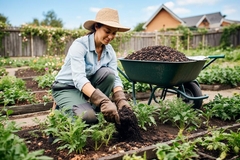
The vibrant city of Milwaukee, WI, is home to countless lush gardens and thriving landscapes, partly due to the practice of strategic mulching. If you've ever wondered about the best time to mulch in this region, you're not alone. In fact, knowing when to mulch in Milwaukee can make all the difference in maintaining healthy, resilient plants throughout the year. For quality landscaping and a professional tree care service in Milwaukee, understanding the optimal timing for mulching is crucial.
Mulching isn't just about aesthetics; it's a fundamental practice in garden care that supports water retention, regulates soil temperature, and suppresses weeds. This article dives deep into the seasonal nuances of mulching, providing you with the knowledge to enhance your garden's health. From the seasonal timing to practical tips, this guide is designed to equip Milwaukee residents with the wisdom needed for successful plant care.
Understanding the Role of Mulch
Before we delve into when to mulch, it's essential to understand why mulching is vital. Mulch acts as a protective barrier over your soil, with benefits including moisture retention, temperature control, and improved soil fertility. It also helps prevent soil erosion and reduces weed growth by blocking sunlight from reaching weed seeds. In Milwaukee, where weather conditions can vary widely, these attributes make mulch an invaluable tool for gardeners.
Types of Mulch
There are various types of mulch, each with unique benefits. Organic options like hardwood chips, shredded bark, and pine straw enrich the soil as they decompose. Inorganic mulches, such as stone and landscape fabric, provide a long-lasting option without decomposing. Choosing the right type of mulch depends on your specific garden needs and aesthetic preferences.
Seasonal Timing for Mulching in Milwaukee
Spring Mulching
Spring is one of the best times to apply mulch in Milwaukee. As temperatures begin to rise, adding a layer of mulch helps maintain consistent soil moisture and prevents weeds from taking root. It's best to wait until the soil has warmed up before applying mulch, usually around late April to early May. This timing ensures that you don't trap cold temperatures in the soil, which could delay plant growth.
Why Spring Mulching?
- Encourages early plant growth by maintaining stable soil temperatures.
- Reduces weed emergence, giving plants an edge during their growing season.
- Helps conserve moisture as the summer heat approaches.
Summer Benefits
If you missed the chance to mulch in spring, you can still accomplish a lot during the summer months. Mulching can be particularly beneficial during dry spells, as it conserves soil moisture and reduces the need for frequent watering. For those in Milwaukee who appreciate a lush garden throughout the hot months, summer mulching can be a game-changer.
Fall: Preparing for Winter
Fall is another excellent time to mulch, as it helps prepare your garden for the harsh cold of winter. Applying a fresh layer of mulch in late fall can protect roots from freeze-thaw cycles and minimize soil erosion from winter rains. This protective blanket keeps your garden's ecosystem intact and ready for a vibrant spring resurgence.
Winter Considerations
In winter, mulch remains crucial for protecting perennial plants and insulating the ground. It acts as a shield against extreme cold, reducing the physical stress on roots. While winter isn't the time to add new mulch layers, ensuring your garden already has 2-4 inches of coverage can safeguard plants during heavy snowfalls.
Potential Challenges and Solutions
Mulching is highly beneficial, but it comes with challenges, such as the risk of mulch becoming a host for pests. It's important to regularly monitor your garden for signs of pests and address them promptly, particularly in the case of termite infestation in organic mulches. Additionally, ensure that mulch is not piled against plant stems, as this can lead to rot and damage.
Tree disease control and insect control in Milwaukee are available to help you manage these potential issues and ensure your mulch works effectively for your garden.
Frequently Asked Questions
What is the recommended mulch depth?
For most applications, a mulch depth of 2-4 inches is recommended. This depth provides effective temperature and moisture regulation without suffocating plant roots.
Can mulch affect soil pH?
Organic mulches can slightly alter soil pH as they decompose. For large-scale projects, consider soil testing to guide your choice of mulch material.
Should I remove old mulch?
You don't have to remove old mulch, but it's beneficial to turn and refresh it annually to maintain its effectiveness.
Stop Guessing, Start Mulching Correctly
Understanding when to mulch in Milwaukee, WI, is the first step toward nurturing a thriving garden throughout the year. From spring's rejuvenating warmth to the protective layers of fall, each season offers a unique opportunity to enhance your garden's health. If you're seeking expert guidance on proper mulching techniques or need assistance with any other landscaping service, don't hesitate to reach out to First Choice Tree Care. Our team specializes in various services, including tree diagnosis and treatment in Milwaukee, to ensure your trees remain healthy and robust.