
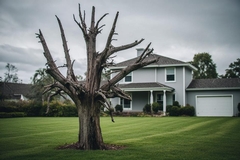
When winter melts into the bright greens of spring in Milwaukee, homeowners often evaluate the condition of their landscape. The health of trees, in particular, is crucial for the overall aesthetic and vitality of your property. Yet, deciphering the life status of a tree can be a challenge, especially after harsh winters. How to tell if a tree is dead is a critical question that many face and is a service often provided by tree care companies in Milwaukee. Knowing the signs can save you money and prevent potential hazards.
Trees are not only valuable for their beauty but also for the ecological benefits they offer, providing shade and habitat for wildlife. In this blog post, we'll delve into the telltale signs that help you identify whether a tree has died, helping you make informed decisions about your landscape. From checking for lifeless branches to spotting fungal growth, we have compiled crucial insights that highlight the importance of timely tree care. Read on to discover how to protect and enhance your property with reliable guidance.
Vital Signs of a Dying Tree
Identifying whether a tree is dead or dying involves more than just a cursory glance. Healthy trees have visible signs of life that dead trees do not. Here are detailed symptoms to help you differentiate:
1. Brittle or Falling Branches
Dead trees often shed their branches more severely than healthy trees. While occasional branch loss isn't unusual, excessive breakage might indicate underlying health issues. Brittle branches snap easily and often have no buds, signaling a need for immediate attention. In some cases, professional tree diagnosis and treatment in Milwaukee and its nearby areas is necessary to save potentially salvageable trees.
2. Bark Peeling and Cracking
Bark serves as the tree's protective layer. In a dying tree, the bark may peel off in significant chunks. If you notice large areas of missing bark or vertical cracks, it could mean the tree is stressed or even dead. Some trees may have cavities where bark should be, which poses significant structural risks.
3. Absence of Leaves or Needle Growth
During the growing season, trees should be full of vibrant leaves or needles. A dead or dying tree will have sparse foliage or leaves that appear wilted and brown. For deciduous trees, no leaves during spring indicates a severe problem. In evergreens, needle loss signifies a possible issue requiring prompt intervention.
4. Fungal Growth
Fungi, such as mushrooms growing on the trunk or roots, are often indicators of decay. While not all fungi are harmful, their presence often signifies internal rot, suggesting that the tree could be dead or dying. Contacting a professional for a full tree diagnosis and treatment can help identify whether the fungus is a symptom of a larger problem.
Inspection Techniques for Homeowners
Conducting a systematic examination of your tree can prevent it from being removed unnecessarily or provide early warning for removal needs:
1. Scratch Test
The scratch test is a simple and effective method to determine a tree's health. Scrape the outer layer of bark with a small knife or your fingernail. The layer underneath should be green if there's life. Brown, dry inner layers suggest the tree might be dead.
2. Trunk and Root Health Check
Examine the base of the tree for any signs of decay, such as mushrooms, shoots growing from the base, or soft spots. Roots that appear decayed are a strong indicator that the tree is not thriving.
3. Branch Flexibility Test
Give smaller branches a gentle bend. Live branches are supple and feisty. If they snap easily, they could be dead. Perform this test at several spots around the tree to ensure accuracy.
Why Proper Diagnosis Matters
Understanding whether a tree is dead and why it has reached that state is crucial. The implications of a dead tree are vast, from increased fall risks to pest infestations. Addressing these problems often requires professional help, so investing in a thorough tree consultation service can secure your property.
Professional Interventions: When to Seek Help
Sometimes the signs might be subtle, and the risk of getting it wrong is high. Engaging with professional services ensures accurate diagnosis and optimal tree care. Here are additional services offered by reputable providers:
- Pruning: Proper pruning can rejuvenate struggling trees by removing dead or sick branches, thus allowing more nourishment for the rest of the tree.
- Cable/Bracing: For structurally unstable trees, cable/bracing provides necessary support, preventing damage due to weak branches.
- Emergency Storm Damage: Harsh weather can exacerbate the condition of dying trees. Immediate professional assistance post-storm can mitigate damage.
Additionally, specific services such as emergency storm damage in Milwaukee bring prompt relief and care during critical moments.
Preserving Your Trees
Taking proactive steps to ensure the health and longevity of your trees is essential. From consistent monitoring to professional tree care services, your actions can significantly extend a tree's lifespan. Seasonal inspections by experts help catch issues early, and regular maintenance, such as fertilization, can boost tree health.
A Word of Caution: Safety First
Dead trees pose significant hazards. They can fall without warning, potentially causing injury or property damage. If a tree on your property seems dead, it's better to be safe and remove it. When it comes to tree and stump removal in Scandinavia, getting expert assistance ensures the process is smooth and safe.
The Bottom Line: Keeping Your Environment Thriving
Understanding how to tell if a tree is dead is as much about observation as it is about timely intervention. Without the signs of life, trees cannot function effectively in your landscape. Necessary actions, such as regular pruning, not only improve tree health but also accentuate the visual charm of your garden.
Services such as Emerald Ash Borer (EAB) treatments for those in Sherwood and its nearby areas can prevent specific pest-related threats, ensuring your trees remain robust and healthy.
Choosing the right partner for your tree care needs is essential. First Choice Tree Care offers unparalleled expertise and services ranging from emergency storm damage to tree disease control. Whether you need regular pruning or have a storm-damaged tree, their professional team is equipped to assist.
To learn more about their services or to schedule a consultation, reach out today. Your trees and your property will be grateful for the care and attention.