
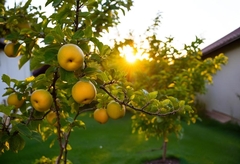
Have you ever strolled through a garden and plucked a ripe apple right off its tree? The allure of edible landscaping lies in its ability to transform your yard into a picturesque scene worthy of any fairy tale, while simultaneously providing a bounty of fresh produce. Not only are fruit trees visually appealing, but they also offer practical benefits such as biodiversity, shade, and abundant seasonal fruits. For homeowners interested in blending beauty with utility, incorporating fruit trees into your landscaping is a rewarding venture.
In Milwaukee, there's a notable surge in demand for sustainable and fruitful green spaces. It's not just about aesthetics anymore; the emphasis is shifting to functional landscaping - a trend where tree care company services, such as planting, are gaining momentum. For those unfamiliar with tree care services, engaging experienced tree care contractors in Milwaukee, Stevens Point, Wausau, and nearby areas can ensure that your landscape remains vibrant and healthy year-round.
This blog post delves into the essentials of edible landscaping, particularly how to seamlessly integrate fruit trees into your yard. Whether you're a seasoned gardener or a newbie to the world of horticulture, we'll explore vital aspects, including selecting the right fruit trees, planting techniques, maintenance tips, and how professional planting can make the entire process more efficient. Ready to turn your yard into a paradise of fruits? Let's get started.
Selecting the Right Fruit Trees for Your Yard
Choosing the right type of fruit tree is the crucial first step in edible landscaping, and it involves understanding your area's climate, soil conditions, and your space's capacity. The key is to select varieties that not only thrive in your specific environment but also meet your personal taste preferences.
Understanding Your Local Climate
In Wisconsin's temperate climate, certain fruit trees are better suited than others. Cold-hardy varieties like apple, cherry, and pear trees perform exceptionally well in this region. To ensure prolific fruit production, research the ideal growing conditions for each species. Most fruit trees require ample sunlight - at least six hours per day.
Soil Assessment
Once you have identified potential fruit tree varieties, it's crucial to evaluate your soil. Fruit trees typically prefer well-draining soil rich in organic matter. Testing the soil's pH can also provide insights into which trees are most likely to thrive in your garden. Consider speaking with tree care services to assist in testing and amending the soil if necessary.
Space Considerations
Choose dwarf or semi-dwarf varieties if you have limited space. These trees tend to be more manageable and fit comfortably in smaller yards while still offering a generous yield. Keep in mind mature tree size and root spread when planning your landscape to avoid overcrowding and competition for resources.
Planting Techniques and Tree Care Strategies
Proper planting is essential for establishing healthy fruit trees. This process involves more than just digging a hole and placing the tree inside. Here are critical steps for successful planting:
- Pre-Planting Preparation: Soak the root ball in water before planting to minimize transplant shock. Meanwhile, dig a hole twice the width and the same depth as the root ball.
- Planting: Position the tree in the hole with the graft union (the bulge on the trunk) above the soil line to prevent disease.
- Backfilling: Refill the hole with a mixture of native soil and compost, gently firming down the earth to eliminate air pockets.
- Watering: Water thoroughly to ensure the roots are hydrated and settle into their new environment.
- Mulching: Apply a layer of organic mulch around the base of the tree, but ensure it is kept from touching the trunk to prevent rot.
Professional Help
Engaging tree care contractors for planting services can streamline this process. Experienced professionals provide guidance on optimal placement, ensure proper planting techniques, and advise on initial watering and maintenance, enhancing your trees' long-term health and productivity.
Maintenance: Keeping Fruit Trees Healthy
Once planted, fruit trees require regular care to thrive. Maintenance tasks include watering, pruning, fertilization, and pest control. Practicing consistent and informed care can prevent common issues such as tree diseases or infestations.
Watering
Fruit trees generally require deep watering during their growing season, particularly in dry spells. Efficient irrigation involves a slow trickle of water penetrating deeper into the soil to reach the roots.
Pruning for Productivity
Pruning is essential for tree health, especially during dormant winter months. It encourages good structure, removes deadwood, and promotes fruit production. This is where the expertise of tree care services comes in handy, as pruning can be an art that, if done incorrectly, may damage the tree.
Fertilization Practices
Fruit trees benefit from regular feeding with organic fertilizers. A balanced mix of nitrogen, phosphorus, and potassium, tailored to your soil needs, will promote growth and fruit development.
Pest and Disease Management
Protect your investment by being vigilant about pests and diseases that may target your fruit trees. Insect control, like targeted treatments against specific pests, can protect your trees and ensure they continue to produce healthy fruit.
Enhancing Your Yard with Edible Landscaping
Transforming your yard with fruit trees not only adds aesthetic value but also provides a sustainable food source. With edible landscaping becoming a desirable trend in Milwaukee, working with a tree care company can ensure a seamless integration of your new fruit trees, turning your yard into a fruitful paradise.
Additionally, understanding potential storm challenges and taking appropriate measures can safeguard your investment. Unforeseen events like storms can jeopardize your fruit trees' health and may even require storm damage repair in the Milwaukee area to save them. Therefore, having a relationship with tree care services that offer emergency solutions is advantageous.
Frequently Asked Questions
How often should I water my new fruit trees?
Newly planted fruit trees should be watered every week, particularly if rain is infrequent. This consistent watering helps establish the roots and encourages growth.
Is it necessary to prune my fruit trees every year?
Yes, annual pruning is necessary to maintain tree health and optimize fruit production. Pruning helps manage tree size, removes diseased branches, and opens up the canopy for better sunlight penetration.
Are there specific pests I should be aware of with fruit trees?
Common pests include aphids, mites, and cherry fruit flies. Employing natural or chemical treatments can help control these pests and protect your fruit yield.
Breathing Life Into Your Wisconsin Landscaping
Incorporating fruit trees into your edible landscape is not only beneficial from a sustainability standpoint but also enhances biodiversity and offers immense personal satisfaction. For residents in Milwaukee and its surrounding areas, tree consultation can be an invaluable step in planning and maintaining a thriving landscape. Whether it's pruning in Junction City and its neighboring regions or fertilization in Kronenwetter and beyond, aligning with professional services ensures your yard meets its full potential.
Ready to get the most out of your outdoor space by incorporating fruit trees into your landscape? Contact First Choice Tree Care for expert advice and tailored services that meet your needs.